予期せぬ冬
中能登町移住プランナーのデルフィンです。
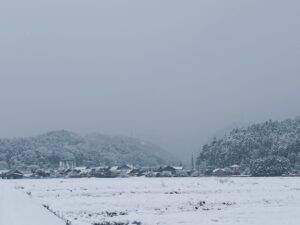
能登の冬を一つの音符で表すとしたら、それは長く深い静寂のざわめきだろう。田んぼを覆う白い毛布、静かな海。しかし、この冬は和音――複雑で驚くべき矛盾のハーモニー――であることを主張する。
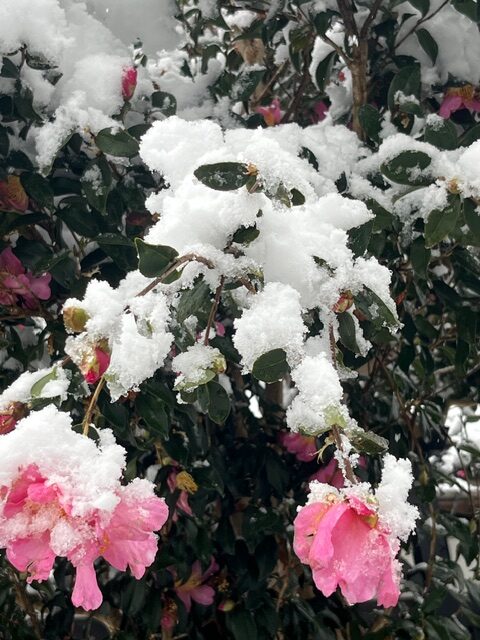
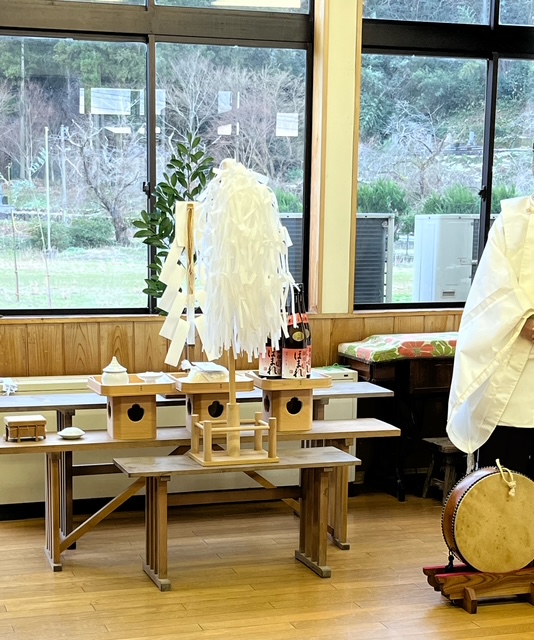
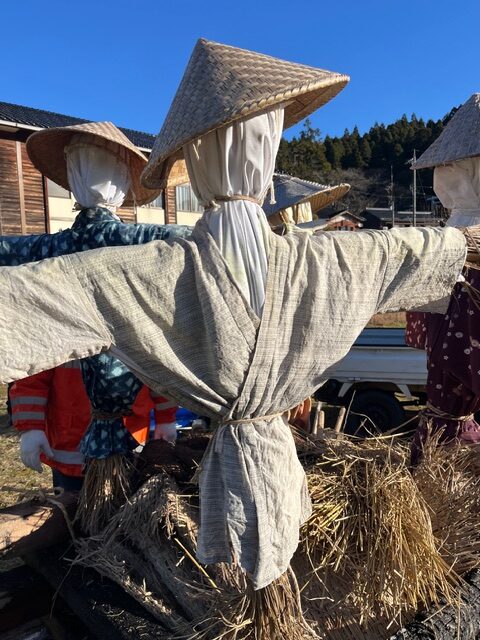
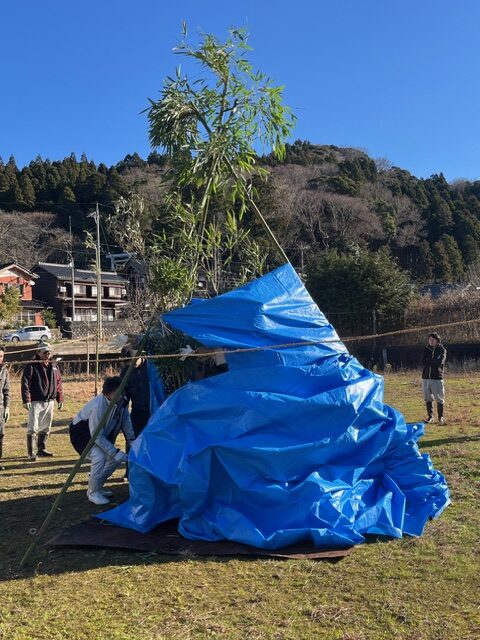
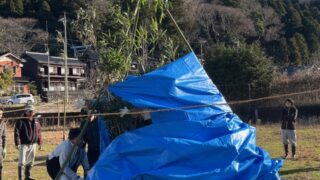
すべては左義長の儀式から始まった。強い風が、この地のテンポを決めているのは誰なのかを私たちに思い出させた。メインイベントは延期されたが、集いそのものには意味があった――厳しい自然の中で感謝を分かち合うひととき。それは柔軟性の教訓であり、大げさな行為ではなく、ともに集うという静かな行為の中にあることを学んだ瞬間だった。
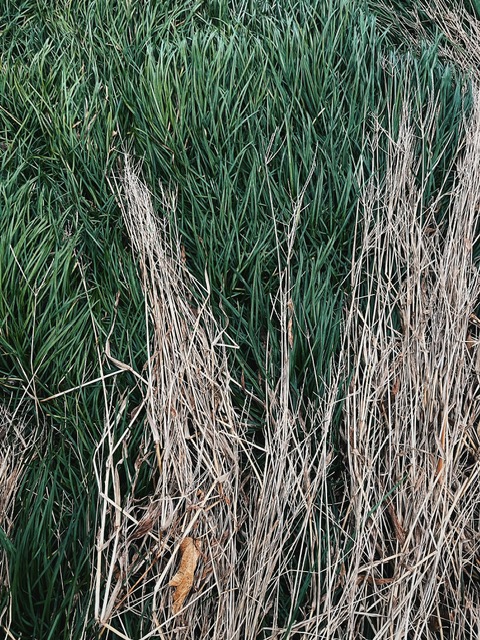
そして、より繊細な音符が現れ始めた。黄色い花の中を、同じ風に揺らめく緑の草の房。
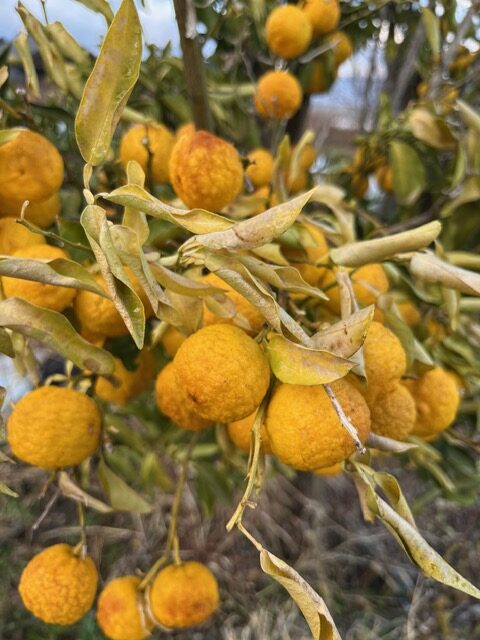
隣人の庭では、柚子の挑戦的な黄色が枝にしがみついている。
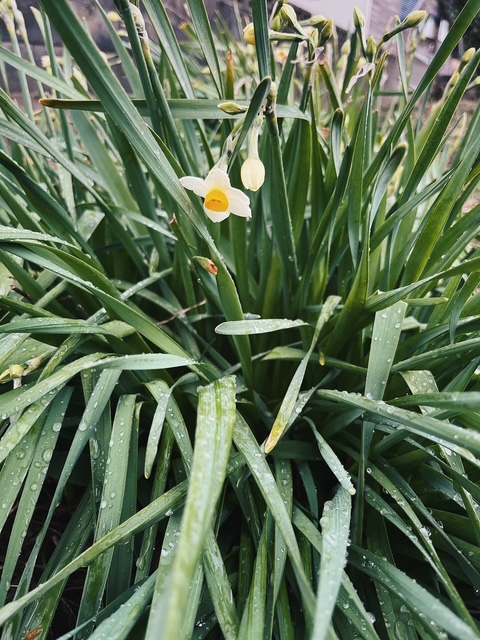
何よりも驚いたのは、水仙の花だ。予定よりも何週間も早く咲いていた。
これは絵葉書に描かれるような深い雪景色ではない。冬の静かな吐息、日本人が「冬の息吹」と呼ぶ冬の息吹だ。冬の息吹は、ただ耐え忍ぶだけでなく、生命の脈動をも表す季節だ。
この鼓動は台所にも及んでいる。冬の冷気は、ただの空虚な休止ではなく、なくてはならない材料なのだ。寒さの中で味わいが深まる味噌作りには最適な時期だ。清らかな冷水とゆっくりとした発酵で造られる日本酒の醸造の季節でもある。そしてここ能登では、かぶら寿司を作る季節です。これは、スライスしたカブを魚(ブリ、鮭、あるいは家族のお気に入りの魚など)と一緒に発酵させる郷土料理です。冬の空気は、静かに、しかし力強く、保存食作りのパートナーとして、その変化を促します。
これこそが、私が見習い始めたリズムです。寒さとの闘いではなく、寒さとのゆっくりとした複雑な舞踏。空気を特徴づけるこの寒さが、柚子の香りをより強くし、水仙の姿をより美しくし、今年の保存食をより風味豊かにします。
おそらく、これこそが能登の冬の真の贈り物でしょう。冬眠という一つの物語に、私たちを安らぎの場へと誘ってくれることはありません。その静寂を理解したと思った瞬間、蕾、香水、あるいは発酵中の壺の中で、静寂は囁きかけ、その声を聞くには、もう少し身を乗り出さなければなりません。
If winter in Noto were a single note,I imagine it would be a long,low hum
of stillness. A white blanket over the paddies,a silent sea. But this
winter insists on being a chord—a complex,surprising harmony of
contradictions.
It began with a Sagichō ceremony,where the strong wind reminded us who
sets the tempo here. The main event was postponed,yet the gathering held
its purpose—a shared moment of gratitude amid the elements. It was a lesson
in flexibility,and in finding the ritual not in the grand gesture,but in
the quiet act of coming together.
Then,the smaller notes began to appear. A shock of green grass fighting
through the yellow,tousled by that same wind. In a neighbor’s garden,the
defiant yellow of a yuzu,clinging to its branch. Most surprising of all,a
clutch of daffodils,their heads already bowing near the cold earth,weeks
ahead of schedule.
These aren’t postcard images of deep,dormant snow. They are winter’s quiet
exhalations—what the Japanese might call 「冬の息吹」(fuyu no ibuki),the breath
of winter. It’s the season showing its hidden layers: not just endurance,
but a persistent pulse of life.
This pulse extends to the kitchen. Winter’s cold is not an empty pause,but
a necessary ingredient. It’s the best time for making miso,its flavours
deepening in the chill. It’s the season for brewing nihonshu (sake),
relying on the pure,cold water and slow fermentation. And here in Noto,
it’s when we prepare kaburazushi,the local specialty where sliced turnips
ferment with fish—often yellowtail,salmon,or a family’s preferred
catch—transformed by the winter air,a silent,active partner in
preservation.
This is the rhythm I’m learning to see. Not a battle against the cold,but
a slow,intricate dance with it. The same chill that defines the air makes
the yuzu’s scent sharper,the daffodil’s appearance more precious,and the
year’s preserves more flavorful.
Perhaps this is the true gift of a Noto winter. It never quite lets you
settle into a single story of hibernation. Just when you think you
understand its silence,it whispers—in a bud,a scent,or a fermenting
crock—and you have to lean in closer to hear.
L’Hiver Inattendu
Si l’hiver à Noto n’était qu’une seule note,j’imagine que ce serait un long bourdonnement grave de quiétude. Une couverture blanche sur les
rizières,une mer silencieuse. Mais cet hiver s’obstine à être un accord –
une harmonie complexe et surprenante de contradictions.
Tout a commencé avec une cérémonie du Sagichō,où le vent fort nous a
rappelé qui fixe le tempo ici. L’événement principal a été reporté,mais le
rassemblement a gardé son sens – un moment de gratitude partagé au milieu
des éléments. Ce fut une leçon de flexibilité,et celle de trouver le
rituel non pas dans le geste grandiose,mais dans l’acte tranquille de se
rassembler.
Puis,les notes plus discrètes ont commencé à apparaître. Une touffe
d’herbe verte luttant à travers le jaune,échevelée par ce même vent. Dans
le jardin d’un voisin,le jaune défiant d’un yuzu,accroché à sa branche.
Le plus surprenant de tout : une touffe de jonquilles,leurs têtes déjà
inclinées près de la terre froide,avec plusieurs semaines d’avance.
Ce ne sont pas les images de carte postale d’une neige profonde et
dormante. Ce sont les exhalaisons tranquilles de l’hiver – ce que les
Japonais appellent 「冬の息吹」(fuyu no ibuki),le souffle de l’hiver. C’est la
saison qui révèle ses couches cachées : pas seulement l’endurance,mais un
pouls persistant de vie.
Ce pouls s’étend jusqu’à la cuisine. Le froid hivernal n’est pas une pause
vide,mais un ingrédient nécessaire. C’est le meilleur moment pour faire le
miso,dont les saveurs s’approfondissent dans le froid. C’est la saison du
brassage du nihonshu (saké),qui repose sur l’eau pure et froide et une
fermentation lente. Et ici à Noto,c’est le moment où l’on prépare le
kaburazushi,la spécialité locale où des tranches de navet fermentent avec
du poisson – souvent du buri (sériole),du saumon,ou la prise de
prédilection d’une famille – transformé par l’air hivernal,un partenaire
de conservation silencieux et actif.
Voilà le rythme que j’apprends à voir. Non pas un combat contre le froid,
mais une danse lente et complexe avec lui. Ce même froid qui définit l’air
rend le parfum du yuzu plus aigu,l’apparition de la jonquille plus
précieuse,et les conserves de l’année plus savoureuses.
C’est peut-être là le vrai cadeau d’un hiver à Noto. Il ne vous laisse
jamais tout à fait vous installer dans une histoire unique d’hibernation.
Au moment même où vous pensez comprendre son silence,il murmure – dans un
bourgeon,un parfum,ou une jarre en fermentation – et vous devez vous
pencher un peu plus pour l’entendre.
投稿者プロフィール

関連ブログ
 プランナーブログ2026年3月29日春の最初の味わい:能登の土筆と蕗
 プランナーブログ2026年3月10日手作り味噌:ご近所さんと紡ぐ冬の習慣
 お知らせ2026年3月2日静けさの前に:中能登の2月、小さな庭での準備
 プランナーブログ2026年2月3日予期せぬ冬